Little Miss Mardi Gras SVG Cut File Review
As a designer who spends more time analyzing stitch density and thread tension than scrolling through endless digital marketplaces, I approach every new file with a healthy dose of skepticism. The embroidery space is flooded with generic clip art that looks charming on screen but falls apart under the needle. That is why when I encountered the Little Miss Mardi Gras SVG Cut File, I didn’t just look at the preview image; I mentally mapped it out against real-world production scenarios. This review breaks down how this design actually performs when moved from a digital asset to a tangible, stitched product.
First Impressions and Visual Personality
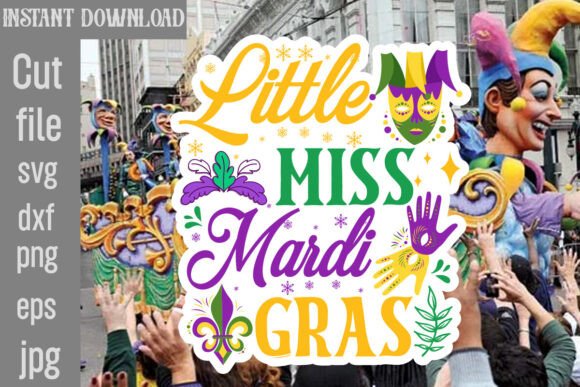
The immediate mood of the Little Miss Mardi Gras SVG Cut File is festive, playful, and distinctly celebratory. From a design perspective, the visual personality strikes a balance between whimsical and structured. It does not rely on overly complex shading or tiny, intricate details that often translate poorly in machine embroidery. Instead, it leans into bold shapes and clear silhouettes, which is exactly what you want for a reliable machine embroidery design.
The theme naturally lends itself to joy and community, making it an excellent candidate for seasonal projects. Whether you are creating items for a local parade, a family reunion, or a boutique holiday collection, the design carries enough character to stand out without shouting. It feels like a design meant to be worn or displayed with pride, rather than a subtle background texture. For creators looking to add a splash of color and culture to their handmade product line, this file offers a strong foundation.
Real-World Application: From Screen to Stitch
I evaluated this design by imagining it on several common substrates. The first scenario was a custom embroidered tote bag for a small business owner. Because the design features clean lines, it translates beautifully onto canvas or cotton blends. The contrast between the thread colors and the fabric becomes the star, allowing the Little Miss Mardi Gras SVG Cut File to maintain its integrity even after multiple washes. This is crucial for Etsy seller inventory where customer satisfaction depends on durability.
Another practical use case involves baby apparel. The soft, rounded aesthetic of the design makes it suitable for onesies or burp cloths. However, the scale matters here. When digitizing or preparing this as an embroidery file, keeping the dimensions appropriate for a baby’s chest ensures the design doesn’t overwhelm the garment. It works well as a central chest placement or even as part of a clustered arrangement on a hat brim.
For craft fair vendors, this design is a powerhouse. It fits perfectly into the category of holiday embroidery items that sell quickly during the second quarter of the year. Think sweatshirts, aprons, and decorative pillows. The versatility of the file means it can be adapted for various custom apparel needs. A baker might love it on a kitchen towel, while a fashion-forward teen would appreciate it on a denim jacket. The design’s adaptability increases its value as a design asset for any creative entrepreneur.
Material Considerations and Fabric Texture
Not all fabrics treat embroidery files equally. When working with the Little Miss Mardi Gras SVG Cut File, fabric choice is paramount. On smooth cottons and linens, the stitches lay flat and crisp. However, if you are attempting this on a textured linen or a loose-weave burlap, you may find that the stabilizer struggles to hold the shape, leading to puckering. Always test on scrap pieces of your target material first.
Stretchy fabrics like jersey knits require extra caution. Without a proper tear-away or cut-away stabilizer, the natural stretch of the fabric can distort the Little Miss Mardi Gras SVG Cut File, causing the edges to wave or buckle. For sweatshirt embroidery, a heavy-duty cut-away stabilizer is non-negotiable to ensure the final product retains its professional structure.
Where Caution Is Required
While this design is robust, there are specific scenarios where it requires careful handling. Small hoop sizes can sometimes compress fine details. If you attempt to shrink this design too much, you risk losing the definition of smaller elements, turning distinct shapes into muddy blobs. It is best kept at a medium to large scale to preserve its visual impact.
Dark fabrics present another challenge. Depending on the default thread colors included in the file, contrast might be an issue. If the design relies on light threads against a black background, you must ensure the underlay stitching is sufficient to prevent show-through. Conversely, on very dark fabrics, some lighter shades might get lost. Testing thread color contrast on the actual fabric is a step many skip, but it saves returns and bad reviews.
Additionally, curved surfaces like baseball caps can be tricky. While the design is versatile, placing a large graphic on the front panel of a cap requires precise hooping techniques to avoid distortion. If the design includes delicate corners or tiny lettering, these areas are prone to thread breaks or misalignment on curved surfaces. For such applications, consider simplifying the placement or using a larger hoop size to accommodate the curve.
Technical Notes for the Discerning Designer
The product description indicates that the download includes one .zip file containing an SVG, DXF, EPS, and a transparent PNG at 300 DPI. As an experienced reviewer, I must highlight that having vector files (SVG, DXF, EPS) is a significant advantage. These formats allow you to scale the design without quality loss, which is essential when creating printable mockups or adjusting the size for different hoop size limitations.
However, please note that these are primarily cutting and vector files. If you intend to use this directly in an embroidery machine, you will need to convert these vectors into a machine-readable format (like PES, DST, or EXP) using your preferred software. Ensure you check the stitch settings during conversion. Pay close attention to stitch density; if the software automatically assigns a dense fill to a large area, it might make the finished piece stiff and uncomfortable. Adjusting to a lighter fill or using applique techniques can enhance comfort and drape.
Also, verify the licensing terms before using this in a commercial embroidery capacity. While the file allows for commercial use in many contexts, understanding the specific restrictions protects your craft business from legal issues. Confirm whether you are selling the digital file itself or physical products made with the design, as these licenses often differ.
Final Verdict on Design Value
The Little Miss Mardi Gras SVG Cut File earns its place in my toolkit because it balances aesthetic appeal with practical execution. It avoids the pitfalls of over-complication while delivering a strong visual statement. For small shop product developers, it offers a ready-made solution that feels custom-made for the season.
It enhances brand consistency by providing a recognizable, high-quality graphic that customers associate with fun and celebration. The inclusion of a high-resolution PNG also aids in marketing, allowing for clean digital product previews on social media and online stores. Ultimately, this design supports professionalism by ensuring that the final finished product looks polished and intentional, boosting buyer engagement and trust.
If you are looking to expand your range of embroidery project ideas with something that resonates emotionally and visually, this file is a solid investment. Just remember to respect the fabric, stabilize properly, and always run a test stitch. Done correctly, the Little Miss Mardi Gras SVG Cut File will help you create memorable, high-value goods that customers will cherish.