Retro Pumpkin Fefol SVG Review
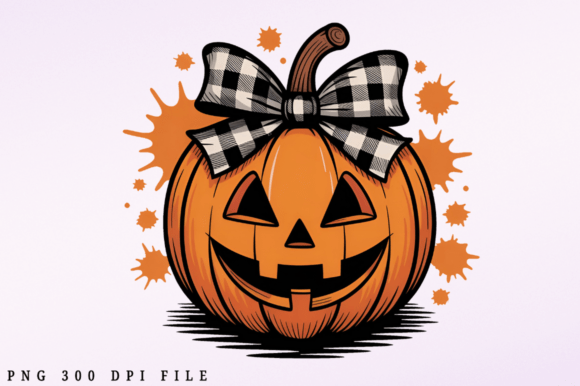
As a designer who spends half my life staring at stitch charts and the other half trying to make handmade products look professional enough to sell on Etsy, I am always skeptical of new digital assets. The market is flooded with generic clip art that looks terrible when translated into thread. However, when I first pulled up the Retro Pumpkin Fefol SVG, I paused. It had that specific mid-century modern charm that feels both nostalgic and fresh, rather than just another basic fall graphic.
This review isn’t about what the file looks like in your vector software. It’s about how it behaves under the needle. I evaluated this design for real-world application, imagining it on everything from custom baby onesies to boutique tote bags. Here is my honest take on whether this embroidery file deserves a spot in your design library.
The First Impression: Mood and Visual Personality
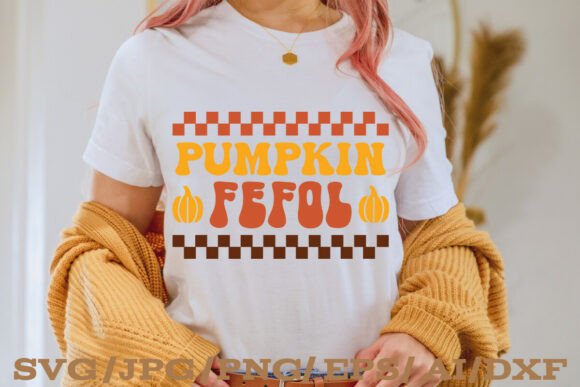
The name "Retro Pumpkin" suggests a vintage aesthetic, and the design delivers on that promise without being overly ornate. The shape is clean, likely featuring simplified curves and bold lines that read well from a distance. In the world of machine embroidery, simplicity is often king because complex details can turn into a muddy mess if the stitch density isn’t perfect.
Visually, this design creates a warm, inviting mood. It screams "cozy autumn," making it an immediate candidate for holiday embroidery projects. The layout feels balanced, which is crucial for placement on garments. Whether you are centering it on a sweatshirt or placing it off-center on a cap, the visual weight seems distributed evenly. For craft business owners and small shop product creators, this kind of versatile aesthetic is gold because it appeals to a broad audience—from hobbyists looking for a quick gift to serious buyers seeking high-quality decor.
Real-World Application: Where This Design Shines
I spent some time mentally mapping out where this embroidery project would fit best. The versatility of the Retro Pumpkin Fefol SVG allows it to transcend simple decoration. Here is how I see it performing in actual commercial and personal scenarios:
- Custom Apparel: On a heavy cotton t-shirt or a fleece sweatshirt, this design would pop. The retro style pairs beautifully with earth tones like mustard yellow, burnt orange, or forest green. It elevates a plain garment into a statement piece, perfect for custom apparel lines targeting seasonal trends.
- Baby Embroidery: There is something inherently cute about pumpkin motifs for little ones. If digitized correctly with soft edges, this could work wonderfully on a baby blanket or a christening gown. The personalized gift potential here is high, especially when paired with a child’s name in a complementary font.
- Tote Bag Design: Canvas totes are a staple for any Etsy seller. A large, central placement of this retro pumpkin creates a striking focal point. It turns a functional item into a fashion accessory, increasing the perceived value of the finished product.
- Holiday Embroidery and Home Decor: Think tea towels, pillow covers, and kitchen aprons. These items are frequently bought as housewarming gifts. The design’s clean lines ensure it doesn’t look cluttered on textured fabrics like linen or waffle-weave towels.
For digital product sellers, this design also serves as excellent design assets. Even if you don’t embroider yourself, having a high-quality vector source means you can create mockups for clients or use it in sublimation printing alongside your embroidery offerings.
Technical Considerations and Stitch Clarity
Not all graphics translate equally well to thread. When evaluating this as a potential machine embroidery design, several technical factors come into play. The original description mentions it includes SVG files for Cricut and Silhouette, which implies a clean vector structure. This is a good sign for digitization, as clean vectors allow for more precise conversion to stitch paths.
However, the success of the final output depends heavily on how the design is digitized. If you are using this as a base for an applique design, the outer contours need to be crisp to ensure clean trimming. If it is intended as a fill stitch pattern, the internal geometry must support even coverage without excessive puckering. I recommend testing the stitch density carefully. Retro styles often rely on solid blocks of color; if the density is too low, the fabric will show through. If it is too high, the hoop might struggle to hold the fabric, leading to registration errors.
Thread colors are critical here. To maintain the retro vibe, avoid neon threads. Stick to muted, saturated hues. Also, consider the background fabric. This design will perform best on light or neutral backgrounds where contrast is high. On dark fabrics, you may need an underlay stitch or a lighter thread palette to ensure visibility.
Where to Use Caution
While this design has strong appeal, there are specific scenarios where it might not perform as expected:
- Small Hoop Sizes: If you plan to shrink this design down for a tiny detail on a shirt cuff or a delicate necklace tag, be cautious. Small details in retro designs can sometimes lose their character if scaled too far down. Always check the minimum recommended hoop size before committing.
- Textured Fabrics: While it looks great on smooth cotton, textured fabrics like bouclé or heavy tweed can obscure the finer lines of the design. The "retro" look relies on clean shapes, which can get lost in rough textures.
- Curved Surfaces: Applying this to a baseball cap or a curved hat brim requires careful hooping techniques. If the design has sharp corners or intricate inner cutouts, stretching the fabric over a curve might distort the symmetry. Test on a scrap piece of similar material first.
- Frequent Washing: For items like aprons or kitchen towels that undergo frequent laundering, ensure the stabilizer used is removed completely and that the stitches are secure. Loose threads can snag, ruining the professionalism of the item.
Practical Designer Notes for Success
To get the most out of the Retro Pumpkin Fefol SVG, follow these practical steps before starting your production run:
- Test on Scrap Fabric: Never go straight to your final product. Run a test stitch on the exact fabric and stabilizer combination you plan to use. This helps you catch issues with tension or pull compensation early.
- Check Thread Color Contrast: Lay your chosen threads against the fabric before stitching. Ensure the colors stand out but still harmonize with the retro theme.
- Inspect Small Details: Zoom in on the digitized version (if available) or the test stitch-out. Are the curves smooth? Are any areas too dense? Adjustments to the running stitch or satin stitch parameters might be needed.
- Use Proper Stabilizer: The choice of stabilizer—cut-away vs. tear-away—depends on the fabric. Stretchy fabrics like jersey require cut-away stabilizers to prevent distortion during wear.
- Confirm Licensing: Before selling finished items, double-check the license terms included with the download. Some digital files are for personal use only, while others allow commercial sales. As a craft business owner, protecting your legal standing is just as important as the design itself.
Final Verdict
The Retro Pumpkin Fefol SVG is a solid addition to any crafter’s or designer’s toolkit. It strikes a balance between trendy aesthetics and timeless appeal, making it suitable for a wide range of embroidery files applications. From small shop product lines to heartfelt personalized gifts, this design offers flexibility and visual impact.
It works particularly well for holiday embroidery collections and apparel decorators looking to capitalize on seasonal demand. By paying attention to stitch quality, fabric choice, and proper finishing, you can transform this digital asset into a handmade product that customers will love. Just remember to do your due diligence on licensing and testing, and you’ll be set to create something truly special.