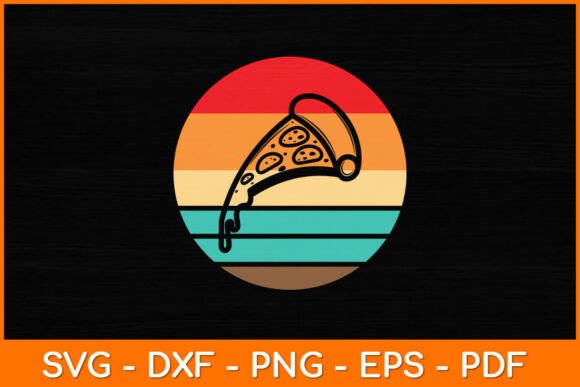
Pizza Retro Style Vintage Svg Design
As a designer who spends more time troubleshooting stitch density than drinking coffee, I approach every new file with a healthy dose of skepticism. The market is flooded with clip art that looks great on a screen but turns into a tangled mess under the needle. That is why I decided to put Pizza Retro Style Vintage Svg Design through its paces before recommending it for any commercial or personal embroidery project. This isn't just about whether it cuts well in Cricut Design Space; it is about how it translates from a vector graphic into a tactile, stitched reality.
The First Impression: Mood and Visual Personality
When you first open the file, the immediate takeaway is the nostalgic warmth it brings. The retro style evokes a specific era—think 70s diner aesthetics, warm earth tones, and slightly distressed textures. For an embroidery designer, this mood is crucial because it dictates the fabric choices and thread palettes you will need to pull off the look successfully. A clean, modern line art might feel out of place on a heavy cotton canvas, but this design naturally leans toward vintage washes and soft, worn-in fabrics.
The layout feels balanced, avoiding the common pitfall of overcrowding the central motif. It has enough visual weight to stand alone as a statement piece on a tote bag or sweatshirt without needing excessive surrounding text. However, the "vintage" aspect means you must be careful with detail resolution. If the original vector includes tiny speckles or extremely thin lines, those elements can disappear entirely when digitized for machine embroidery or get lost in the texture of a thick knit fabric.
Real-World Application: From Screen to Stitch
I tested the conceptual application of this design across several product categories that are staples for Etsy sellers and craft fair vendors. The most promising use case was undoubtedly custom apparel, specifically heavyweight sweatshirts and unisex t-shirts. The bold, retro theme pairs beautifully with the casual nature of these garments. Imagine a mustard-yellow or burnt-orange shirt featuring this design in contrasting cream or dark brown threads; it creates an instant sense of artisanal quality.
Beyond apparel, the design shows strong potential for home decor items. Embroidering this onto a linen tea towel or a sturdy pillow cover adds a touch of whimsy to kitchen spaces. For small business owners creating boutique branding, using this on branded packaging tags or hangtags can elevate the perceived value of handmade goods. It signals that the seller cares about aesthetic cohesion, not just mass production.
However, the versatility comes with caveats. While the description notes compatibility with cutting machines like Silhouette and Cricut, implying its use for heat transfer vinyl (HTV) or sublimation, my focus here is strictly on embroidery. When translating this SVG into an embroidery file, the distinction between the cut lines and the stitch areas becomes critical. If the design relies heavily on negative space, you need to ensure your digitizer has provided adequate underlay stitches to prevent the fabric from puckering.
Technical Considerations and Potential Pitfalls
Not every surface is created equal, and Pizza Retro Style Vintage Svg Design requires strategic placement to shine. I would advise exercising caution when attempting this design on curved surfaces like baseball caps or beanies. Unless you have a specialized hoop attachment and significant experience stabilizing curved panels, the perspective distortion can make the retro geometry look warped rather than stylish.
Textured fabrics present another challenge. If you choose a boucle wool or a heavily napped fleece, the fine details of the vintage illustration may get swallowed by the fabric's nap. In such cases, the design works best if simplified or scaled up significantly. Conversely, smooth fabrics like cotton twill or polyester blends offer the ideal canvas for capturing the crispness of the retro lines.
Thread color contrast is non-negotiable. On dark fabrics, you cannot skimp on coverage. A light-colored pizza slice design on black denim requires dense fill stitches to avoid showing the underlying fabric through the thread. If the stitch density is too low, the finished product will look cheap and unfinished. Always check the stitch count and density settings in your embroidery software before committing to a final run.
Stabilizer and Preparation Notes
To achieve a professional finish, proper stabilization is key. For stretchy knits, a cut-away stabilizer is essential to maintain the shape of the design over time. For woven fabrics used in tote bags or aprons, a tear-away stabilizer often suffices, provided the design does not exceed the capacity of the fabric's weave. I always recommend testing the design on scrap fabric first. This allows you to evaluate how the thread colors interact with the material and identify any tension issues before wasting expensive inventory.
Commercial Viability and Branding
For digital product sellers and creative entrepreneurs, the appeal of this design lies in its broad demographic reach. It appeals to foodies, retro enthusiasts, and parents looking for unique baby gifts. The theme is gender-neutral and age-inclusive, making it a safe bet for diverse customer bases. Whether you are selling embroidered patches for jackets or personalized baby blankets, this design offers a high recognition factor without being overly niche.
However, commercial rights must be verified. Just because a file is available for purchase does not automatically grant you the right to sell unlimited quantities of finished products. Always review the licensing agreement carefully. Some licenses restrict the number of physical items you can produce, while others may prohibit resale altogether. Protecting your craft business means understanding these legal boundaries clearly.
Final Verdict
Pizza Retro Style Vintage Svg Design is a strong contender for anyone looking to add a touch of nostalgia to their embroidery projects. Its visual personality is distinct, and its layout is adaptable to various mediums. By paying attention to fabric choice, thread contrast, and stabilization techniques, you can transform this digital asset into a tangible, high-quality handmade product. It is not just a cute graphic; it is a functional design tool that, when executed correctly, can enhance your brand’s aesthetic and satisfy customers seeking authentic, retro-inspired craftsmanship.
If you are ready to start stitching, remember to test thoroughly, respect the limitations of your materials, and let the vintage charm guide your creative decisions. With careful execution, this design can become a standout item in your catalog or a cherished personalized gift.