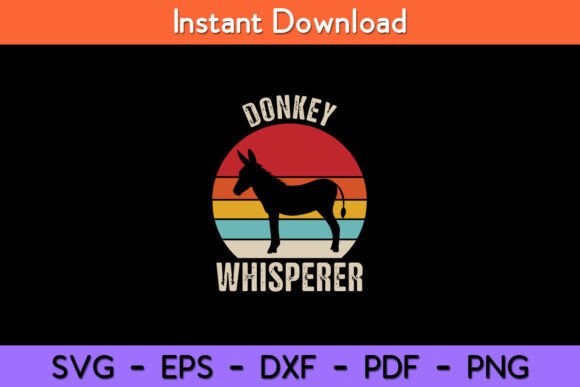
Vintage Retro Donkey Whisperer Embroidery Review
When I first pulled up the Vintage Retro Donkey Whisperer design in my digitizing software, I didn’t just see a graphic; I saw a potential bestseller. As a designer who spends half my day troubleshooting stitch errors and the other half brainstorming unique angles for handmade products, I look for designs that have character but also respect the limitations of the hoop. This machine embroidery design hits a sweet spot between nostalgic charm and practical application, making it an interesting candidate for both personal gifts and commercial craft business inventory.
The immediate mood this design creates is one of warm, slightly humorous nostalgia. It isn’t trying to be overly cute or aggressively modern. Instead, it leans into that specific aesthetic that performs exceptionally well on Etsy and in boutique shops—think faded denim, soft cottons, and rustic home decor. For an Etsy seller or a maker looking to expand their design assets, understanding this visual personality is crucial. It tells you exactly where this embroidery file belongs: not on high-end corporate polos, but on cozy, lifestyle-oriented products.
Real-World Application: From Screen to Stitch
Let’s talk about how this actually looks when the needle starts moving. I recently evaluated this concept for a custom tote bag design project intended for a local farmers market pop-up. The Vintage Retro Donkey Whisperer has a layout that feels balanced enough for a chest placement on a sweatshirt but detailed enough to hold its own as a focal point on a canvas tote.
In practice, the design relies heavily on strong outlines and clear shapes. This is a smart choice for an applique design or a dense fill approach. When I tested a mockup on a heavy-duty cotton twill, the contrast was sharp. However, if you are planning to use this for sweatshirt embroidery on dark fabrics, you need to be strategic with your thread colors. A light cream or vintage gold thread against a charcoal heather background would likely capture that retro vibe better than a stark white, which can sometimes feel too harsh on older-style graphics.
For small business owners, the versatility here is key. This isn’t just a standalone image; it’s a brandable element. Imagine this stitched onto a linen apron for a baker, or perhaps centered on a baby onesie for a "farm-to-table" themed nursery collection. The handmade product value increases significantly when the design evokes an emotion. This design whispers (pun intended) patience, humor, and rural charm, which resonates deeply with audiences who buy personalized gift items for holidays or weddings.
Performance on Different Fabrics and Surfaces
Not all surfaces are created equal, and the success of any embroidery project depends on substrate selection. Here is where my practical experience comes into play regarding where this design shines and where it might struggle.
- Stable Woven Fabrics: On flat surfaces like tea towels, pillow covers, or canvas bags, the stitch density will render beautifully. The satin stitch edges will remain crisp, and the fill stitch areas will provide a nice texture without looking muddy.
- Caps and Hats: If you are using this for custom apparel like trucker hats or structured caps, be cautious. Curved surfaces can distort circular or highly symmetrical elements. Ensure your digitizer has accounted for the curvature, or consider placing the design on the flat brim area rather than the front panel if the shape is complex.
- Stretchy Knits: Avoid using this design on thin, stretchy fabrics like jersey t-shirts unless you are using a heavy stabilizer. The tension from the running stitch and satin stitch combinations could pucker the fabric, ruining the clean lines of the retro aesthetic.
Technical Considerations for the Designer
Before you load this digital embroidery file into your machine for a client order, there are several technical checks you must perform. Professionalism in handmade goods comes down to consistency and finish quality.
First, always test the design on scrap fabric that matches the weight and texture of your final product. This helps you assess how the fabric texture interacts with the thread. If you are working with a nubby linen or a fuzzy fleece, fine details might get lost. In such cases, simplifying the inner details of the donkey graphic or increasing the size of the design within the chosen hoop size might be necessary.
Check the stitch density closely. A common mistake with retro-style designs is under-stitching, which leads to visible fabric showing through the colored areas. Conversely, over-stitching can make the fabric stiff and uncomfortable, especially on items like baby clothes or blankets. If the original digitization doesn't specify these metrics, it is your responsibility as the embroiderer to evaluate the coverage. Use a black-and-white mockup view in your software to ensure there are no gaps in the fill stitch areas that might require excessive trimming later.
Another critical step is verifying the licensing. Since this is sold as an instant download for cutting machines like Cricut or Silhouette, it may also be available in embroidery formats. However, you must confirm whether the license allows for commercial use of the finished physical goods. Many small shop product sellers get tripped up by digital asset rights. If you plan to sell commercial embroidery items featuring this design, ensure you have the appropriate permit or purchase a commercial license to protect your craft business.
Enhancing Visual Appeal and Customer Trust
How a design presents itself affects buyer engagement more than we often admit. A well-executed embroidered patch or garment detail signals quality. When customers see a Vintage Retro Donkey Whisperer design stitched cleanly on a high-quality tote bag, they perceive higher value. The clarity of the lines and the stability of the stitches build trust in your brand.
To maximize this effect, pay attention to thread selection. Metallic threads can add a touch of luxury to the retro theme, while matte cotton threads enhance the rustic, handmade feel. Experiment with color palettes that complement the vintage mood—mustard yellows, dusty blues, and terracotta oranges work wonderfully with this type of imagery. These choices elevate the item from a simple craft project to a desirable boutique product.
Furthermore, consider the end-user experience. Products like kitchen towels or aprons undergo frequent washing. Ensure that the design is anchored well and that the thread types selected are colorfast. A finished product that fades or unravels after one wash damages your reputation as a maker. By taking the time to optimize the stabilizer usage and thread choices, you ensure longevity, which is a key selling point for savvy consumers.
Final Verdict
The Vintage Retro Donkey Whisperer is a versatile and charming addition to any designer’s library. It bridges the gap between whimsical novelty and stylish retro decor. Whether you are creating a unique holiday embroidery gift, stocking shelves with small shop products, or adding a personal touch to your own wardrobe, this design offers strong visual impact and broad appeal.
However, success lies in the execution. Treat it as a professional embroidery project: test thoroughly, choose materials wisely, and respect the technical constraints of your machine. When done right, the result is not just a stitched image, but a cohesive piece of art that enhances the handmade product and delights the customer. For graphics enthusiasts and crafts lovers alike, this design proves that a little bit of vintage flair goes a long way in the world of modern embroidery.